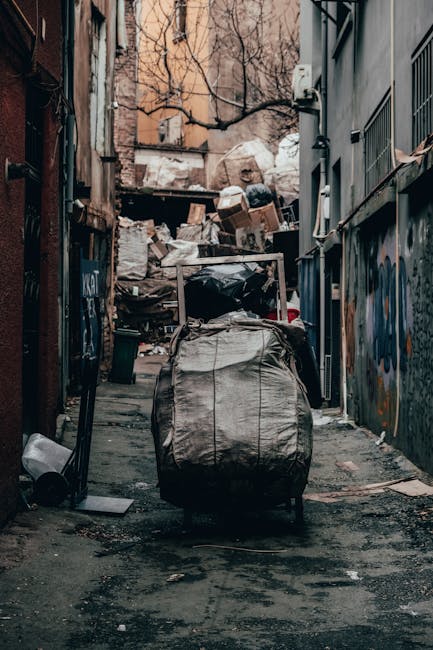
Commercial rubbish removal for Haringey business on Green Lanes
If you run a shop, cafe, office, salon, takeaway, workshop, or small trade business on Green Lanes, waste has a way of building up fast. Cardboard at the back door, broken fixtures, old stock, packaging, office clutter, maybe a fridge that has finally given up. It's never just "a bit of rubbish" for long. Commercial rubbish removal for Haringey business on Green Lanes is really about keeping your premises workable, presentable, and safe without losing half a day to bins, trips, and awkward storage corners.
In a busy stretch like Green Lanes, where foot traffic, deliveries, and tight access can all collide at once, a reliable clearance service can make a genuine difference. This guide explains how it works, who needs it, what to watch for, and how to choose the right approach for your business. A bit practical, a bit local, no fluff.
Table of Contents
- Why Commercial rubbish removal for Haringey business on Green Lanes Matters
- How Commercial rubbish removal for Haringey business on Green Lanes Works
- Key Benefits and Practical Advantages
- Who This Is For and When It Makes Sense
- Step-by-Step Guidance
- Expert Tips for Better Results
- Common Mistakes to Avoid
- Tools, Resources and Recommendations
- Law, Compliance, Standards, or Best Practice
- Options, Methods, or Comparison Table
- Case Study or Real-World Example
- Practical Checklist
- Conclusion
- Frequently Asked Questions
Why Commercial rubbish removal for Haringey business on Green Lanes Matters
Commercial waste is not the same as a bit of household decluttering. Business rubbish tends to arrive in bursts and in awkward shapes: mixed packaging, office furniture, old shelving, stock that cannot be sold, appliance waste, and renovation debris. Left too long, it starts to affect day-to-day trading. Customers notice it. Staff notice it. And if a back area gets cramped, everyone ends up stepping around boxes like it's an obstacle course. Not ideal.
On Green Lanes, space is often at a premium. Premises may have narrow entrances, shared access, rear service yards, or limited loading time. That means rubbish removal is not just a cleaning task; it becomes an operational decision. A delayed clearance can block deliveries, reduce storage, and create safety risks. A smooth clearance, on the other hand, can give a business back some breathing room - sometimes literally.
It also matters for reputation. A tidy frontage and organised back-of-house area signal control. That sounds small, but in retail and hospitality especially, it can shape how people feel about your business before they have even spoken to anyone. First impressions are like that. A bit unfair, but true.
How Commercial rubbish removal for Haringey business on Green Lanes Works
In most cases, the process is straightforward. You describe what needs removing, share photos if possible, get a price or estimate, and book a collection window. The team arrives, assesses access, loads the waste, and takes it away for sorting, disposal, or recycling. The key difference between a good service and a frustrating one is planning. The better the preparation, the smoother the clearance.
For local businesses on Green Lanes, collection timing is often important. You may need an early morning slot before opening, a midday window between deliveries, or an evening visit after trading hours. In practice, the right service should work around your operating pattern, not the other way round. That is especially helpful if your entrance is on a busy road and you do not want disruption spilling out onto the pavement.
Some removals are simple, such as bagged waste, broken display stands, or surplus packaging. Others need a more careful approach. For example, if the job involves electronics, fridges, confidential paperwork, or potentially hazardous materials, those items should be handled separately and with proper care. If you are dealing with office clear-out waste, you may also want to look at confidential shredding for sensitive documents and fridge and appliance removal when broken or redundant units are involved.
Key Benefits and Practical Advantages
The obvious benefit is simple: the waste disappears. But the real value goes further than that. Good commercial rubbish removal helps a business stay calm, compliant, and usable. And to be fair, that matters more than people admit when the week gets busy.
- Better use of space: Clear storage rooms, back offices, yards, and stock areas mean fewer bottlenecks.
- Safer working conditions: Less clutter means fewer trip hazards, blocked exits, and unstable piles.
- Improved customer perception: Cleaner surroundings usually look more professional.
- Reduced staff stress: People can work without navigating around awkward waste piles.
- Faster turnaround: One clearance can often do the work of several smaller bin runs.
- Flexible handling: Mixed loads, bulky items, and awkward materials can often be dealt with in one visit.
There is also a hidden benefit: momentum. Once waste is removed, you can actually see what needs fixing, selling, donating, or replacing. A cluttered storeroom can hide a surprising amount of business waste and poor stock control. Clear it once, and the whole place tends to feel more manageable.
If your premises need a wider clean-out rather than a one-off load, it can help to compare your waste with a broader office clearance service or a general business waste removal option depending on what you are actually getting rid of. The right fit saves time and avoids paying for a service that is too broad, or too narrow.
Who This Is For and When It Makes Sense
This kind of service suits any Haringey business on Green Lanes that accumulates waste faster than standard bins can cope with. That sounds obvious, but plenty of firms keep pushing things back until the back room becomes a graveyard of broken chairs, empty boxes, and mystery items nobody wants to claim. You know the sort.
It makes sense for:
- retail shops clearing stockroom clutter or packaging waste
- cafes, restaurants, and takeaways dealing with old equipment or mixed refuse
- offices removing furniture, paper waste, or end-of-fit-out rubbish
- salons and clinics with packaging, display items, or outdated fittings
- landlords and property managers dealing with commercial unit clear-outs
- builders and tradespeople working on shop refits or refurbishments
It also makes sense after a specific event: a refurbishment, a lease handover, a stock purge, a relocation, or a change in seasonal demand. Green Lanes businesses often work in tight rhythms, so timing matters. If you're closing early on a Tuesday to reset the space, a morning collection can save the whole day from becoming a scramble.
If the job includes construction debris, consider whether it sits better under builders waste clearance. If it is mainly desks, chairs, shelving, or office partitions, then office clearance may be the cleaner route. Matching the service to the waste type is one of those small decisions that saves a surprising amount of hassle.
Step-by-Step Guidance
If you want the process to run smoothly, it helps to approach it in order. Nothing fancy, just a sensible sequence.
- Identify what needs removing. Separate general waste, bulky items, electricals, confidential materials, and anything potentially hazardous.
- Take a quick look at access. Note stairs, loading bays, lift access, rear gates, and parking restrictions. On Green Lanes, this matters more than people think.
- Gather photos or a short list. A few clear images can help the provider judge size, volume, and access before arrival.
- Ask what is included. Check whether loading, labour, disposal, recycling, and VAT are part of the quote or billed separately.
- Choose a time that suits operations. Early mornings and quieter trading periods often work best.
- Prepare the waste area. Put removable items in one place if possible. That speeds things up and reduces disruption.
- Keep any restricted items aside. Hazardous substances, confidential files, and specialist waste should be identified before collection.
- Confirm the finish. Once the waste is gone, do a quick walk-through so nothing important has been missed.
A useful rule of thumb: if you spend ten minutes preparing, you often save thirty minutes on the day. Sometimes more. It's one of those boring truths that keeps paying back.
Expert Tips for Better Results
After enough clearances, a few patterns become obvious. The businesses that get the best outcome tend to think in terms of flow, not just disposal.
1. Separate waste before collection where you can. Mixed loads are manageable, but sorting paper, cardboard, metal, timber, and electrics in advance can improve recycling outcomes and reduce confusion.
2. Photograph awkward items from more than one angle. That old counter unit may look small in one image and huge in another. Better to show the whole picture. Literally.
3. Keep access clear from the front door to the waste pile. Even a narrow corridor blocked by boxes can slow the job down. If the route is tight, say so in advance.
4. Plan for disposal around your busiest trading periods. For a cafe or convenience shop, a collection just before lunch rush can become a headache fast. Pick the quieter window, if possible.
5. Ask about recycling and reuse. Businesses often want to do the right thing, but need practical help making it happen. A provider with a strong recycling and sustainability approach can often divert a fair amount away from disposal.
6. Keep an eye on recurring waste. If the same kind of clutter keeps returning, the issue may be stock control, packaging habits, or storage design rather than removal alone. Fixing the cause saves money over time.
Expert summary: the best commercial waste removal jobs are usually the ones that were planned just enough. Not overcomplicated, not rushed, just clear about what's going, where it's coming from, and how access works.
Common Mistakes to Avoid
Most problems come from small oversights rather than big disasters. Thankfully, that means they're easy to prevent once you know what to look for.
- Leaving everything until the last minute. This is how a manageable clearance becomes a stressful one.
- Not separating restricted items. Fridges, chemicals, sharps, and confidential paperwork need specific attention.
- Forgetting about access constraints. A van may be nearby, but if the waste cannot be carried out safely, the job slows down.
- Assuming all waste is the same. It isn't. Different materials often need different handling.
- Choosing only on price. Cheapest is not always best if the quote leaves out labour, disposal, or the right handling of mixed waste.
- Ignoring local operating realities. On Green Lanes, parking, loading space, and pedestrian flow all affect what is practical.
Another common slip is underestimating how much waste has built up. Small piles are deceptive. You look at them for weeks and think, "that's not much." Then collection day comes and suddenly it's a wall of stuff. Human nature, really.
Tools, Resources and Recommendations
You do not need a complicated toolkit to prepare for clearance, but a few basics help a lot.
- Phone camera: for documenting what needs removing before the team arrives.
- Marker labels or tape: useful for separating items that must stay, especially in shared premises.
- Basic gloves: handy if you are moving loose cardboard or small items before collection.
- Simple room list: note each area that needs clearing so nothing gets missed.
- Payment and paperwork check: make sure the person arranging the job knows who approves the quote.
If your business is comparing ways to clear bulky items, a few related pages can help you think through the right fit. For example, general waste removal suits mixed, everyday commercial rubbish, while furniture disposal is more specific if the job is mainly desks, chairs, shelving, or broken fittings. If appliances are involved, appliance removal is worth checking so the job is handled correctly.
For businesses handling files or paperwork, a dedicated confidential shredding service can reduce the risk of sensitive material ending up in the wrong place. It is a small detail, but not a small issue.
Law, Compliance, Standards, or Best Practice
Commercial waste in the UK has to be handled carefully, and businesses have responsibilities around how their waste is stored, transferred, and handed over. Without getting lost in legal jargon, the practical point is simple: you should only use a service that treats waste responsibly and can explain what happens to it.
Best practice usually means:
- keeping waste segregated where possible
- avoiding unsafe storage in walkways or fire exits
- identifying hazardous or specialist waste early
- making sure the collection process does not put staff or the public at risk
- keeping clear records of what has been removed if your business needs them
If your site has health and safety concerns, it is worth reviewing a provider's approach before booking. A clear health and safety policy and sensible insurance and safety information can give you confidence that the job will be done properly. For customers who care about ethical operations more broadly, a modern slavery statement is another useful sign that a company thinks seriously about its wider responsibilities.
If you are unsure about what can be placed in mixed loads, a helpful reference point is what can go in a skip. Even when you are not hiring a skip, the same common-sense sorting principles still apply: keep out dangerous materials, separate what can be recycled, and do not assume every item can be bundled together.
Options, Methods, or Comparison Table
There are a few ways Haringey businesses on Green Lanes tend to manage rubbish removal. The right one depends on volume, urgency, access, and how mixed the waste is.
| Method | Best for | Strengths | Limitations |
|---|---|---|---|
| Ad hoc commercial rubbish removal | Mixed waste, bulky items, one-off clearances | Flexible, fast, little planning needed | Can cost more per job if repeated often |
| Scheduled waste collections | Regular business waste streams | Predictable, tidy, good for ongoing operations | Less flexible for sudden clear-outs |
| Skip hire | Refurbishments or heavy, bulky waste over time | Handy for ongoing site work | Needs space and can be awkward on busy streets |
| Self-haul to a facility | Very small amounts and businesses with transport | Cheap in direct cash terms | Time-consuming, labour-heavy, not ideal for busy teams |
For Green Lanes businesses, ad hoc removal is often the most practical for sudden build-ups or last-minute unit clear-outs. Skip hire can work well for longer refurb jobs, but access and parking may make it less convenient. If the waste is mainly office items, office clearance is usually easier to manage than piecing together a dozen small solutions.
Case Study or Real-World Example
Imagine a small cafe on Green Lanes preparing for a menu refresh. The team has replaced a few tables, removed a storage unit, and stacked up old packaging, broken shelving, and a redundant undercounter appliance in the back area. The space is not huge, and deliveries still need to come through the rear access. By Thursday afternoon the back room feels tight, and every tray, box, and spare chair seems to be in the wrong place.
Rather than wait for the clutter to creep into the customer area, the owner books a clearance for early Friday morning before opening. They send a few photos, mention the fridge unit, and flag the narrow access route. The collection team arrives, removes the mixed waste in one visit, and clears the route before the breakfast rush starts. By 9 a.m., the back area is usable again, the floor is visible, and the staff are not playing musical chairs with stock boxes.
That is the real value here. Not drama. Not a miracle. Just a cleaner working day and fewer interruptions. For many businesses, that is more than enough.
Practical Checklist
Use this before you book commercial rubbish removal for your Green Lanes premises.
- Have you listed every item that needs to go?
- Have you separated confidential, hazardous, or restricted waste?
- Do you know where the collection team will access the property?
- Have you checked whether parking or loading needs planning?
- Have you taken photos of awkward or bulky items?
- Have you confirmed the best time to avoid disrupting trading?
- Do you know whether the quote includes labour and disposal?
- Are you clear on what should stay and what can be removed?
- Have you thought about recycling, reuse, or donation where appropriate?
- Is the person approving the job aware of the timing and cost?
If you can tick most of those off, the collection is far more likely to be painless. No one wants a half-finished clear-out hanging around for another week. That's the sort of thing that quietly drives everyone mad.
Get a free quote today and see how much you can save.
Conclusion
Commercial rubbish removal for Haringey business on Green Lanes is not just about getting rid of waste. It is about keeping your business practical, safe, and ready for the next customer, delivery, or workday. In a busy local setting, the right removal plan saves time, protects your space, and removes a low-level stress that can otherwise sit in the background for weeks.
The best results usually come from a little preparation, a clear understanding of what needs removing, and a service that can adapt to local access and trading conditions. Keep it simple, keep it organised, and do not let clutter become normal. Once the space is clear, everything tends to feel lighter. Strange how often that happens.
Frequently Asked Questions
What counts as commercial rubbish for a business on Green Lanes?
Commercial rubbish usually includes anything generated by a business: packaging, stock waste, office furniture, fixtures, broken equipment, mixed refuse, and fit-out debris. If it comes from trading activity rather than a household, it normally falls into this category.
Can you remove bulky items from a shop or office with limited access?
Yes, provided access is assessed in advance. Narrow stairwells, shared entrances, and busy pavement space are common on Green Lanes, so it helps to share photos and explain the route before booking.
Is commercial rubbish removal suitable for one-off clear-outs?
Absolutely. It is often the best option for a one-off clearance after refurbishment, relocation, stock change, or an end-of-lease clean-up. A single visit can be more efficient than several smaller trips.
What should I do with confidential papers before collection?
Confidential documents should be separated and handled securely. If your waste includes sensitive files, a dedicated confidential shredding service is the safer route than mixing them with general rubbish.
Can appliances and fridges be taken away too?
Yes, but appliances should be identified clearly because they may need specialist handling. Broken fridges, freezers, and similar units are best dealt with through a dedicated appliance removal service.
How do I know whether I need office clearance or general waste removal?
If the job is mainly desks, chairs, filing cabinets, or office fittings, office clearance is usually the better fit. If the load is a broader mix of rubbish, packaging, and general business waste, a general removal service may be more suitable.
Is this service useful for cafes and restaurants?
Yes. Hospitality businesses often build up packaging, old furniture, equipment waste, and back-of-house clutter very quickly. A well-timed clearance can keep storage areas usable and reduce disruption during busy service periods.
What makes Green Lanes different from other areas?
The main difference is practical access. Green Lanes is busy, which means parking, loading, timing, and pedestrian flow matter more than in quieter locations. A good plan avoids headaches before they start.
How can I reduce the cost of rubbish removal?
Preparation helps. Group items together, separate obvious recyclables, give accurate photos, and be clear about access. The more precise the job description, the easier it is to quote fairly and avoid unnecessary labour time.
Are there items that need special handling?
Yes. Hazardous materials, sharps, chemicals, certain electrical items, and confidential paperwork should not be treated as ordinary waste. If in doubt, flag the item early so it can be assessed properly.
What should I check before booking a provider?
Look at how they handle safety, insurance, compliance, recycling, pricing, and timing. Pages such as health and safety policy, insurance and safety, and pricing and quotes can help you judge whether the service feels transparent and well organised.
Can commercial waste be recycled?
Often, yes. Cardboard, metals, some plastics, timber, and reusable fixtures may be suitable for recycling or recovery depending on condition and contamination. A provider with a clear recycling and sustainability approach can help keep as much as possible out of disposal routes.
Where do I go next if I want to book?
If you are ready to move forward, use the site's booking or enquiry options and provide clear details about the waste, access, and preferred timing. A tidy brief makes everything faster, and usually better. Simple, really.