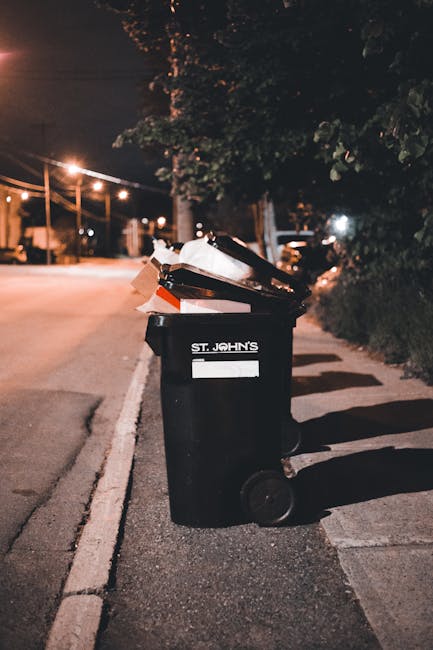
Household rubbish collection for Crouch End N8 streets and estates

If you live on a busy Crouch End street or manage rubbish for a block, estate, or converted house, you already know the awkward bit is rarely the lifting. It is the timing, access, neighbours, and getting everything cleared without turning the pavement into a small obstacle course. Household rubbish collection for Crouch End N8 streets and estates needs to be tidy, flexible, and realistic, because in a place with narrow roads, shared entrances, and constant comings and goings, a messy collection creates problems fast.
This guide breaks down how local household rubbish collection works, what to expect, where people often go wrong, and how to make the process smoother whether you are clearing a few bags, bulky items, or a full property. It is practical, local, and written for real-life situations rather than ideal ones. Let's face it, rubbish rarely appears at a convenient moment.
Why household rubbish collection in Crouch End matters
Crouch End has a character all its own: terraced streets, mansion blocks, side roads with limited kerb space, and estates where access can be straightforward one moment and awkward the next. That matters because rubbish collection is not just about removing waste. It is about doing it without blocking shared entrances, upsetting residents, or leaving sacks outside for longer than they should be there.
On some streets, a few bags can be collected quickly. On others, the issue is less about volume and more about logistics. A bulky item at the wrong end of a narrow staircase, a broken fridge in a top-floor flat, or an overfilled bin store can create a chain reaction: smells, pests, complaints, and a general feeling that the place is slipping. Nobody wants that. Not really.
When collection is organised properly, the benefits are immediate. Walkways stay clear, the building feels calmer, and everyone can get on with their day without stepping over old chairs or piles of black bags. For landlords, managing agents, and residents' groups, that is not a small thing. It protects the appearance of the property and avoids unnecessary friction between neighbours.
Expert summary: The best household rubbish collection in a place like Crouch End is not the fastest service on paper. It is the one that fits the street, the building, and the people living there, while keeping access safe and disruption low.
How the collection process works
Household rubbish collection for Crouch End N8 streets and estates usually starts with a simple assessment: what needs removing, where it is stored, how easy it is to access, and whether anything needs special handling. That may sound obvious, but it saves a lot of headaches later.
In practice, a good collection follows a few sensible stages:
- Identify the waste. Separate general rubbish from bulky items, reusable goods, and anything that may be hazardous or restricted.
- Check access. Think about stairs, lift size, parking space, loading points, and whether the collection point is on-street or inside an estate.
- Set a time window. Early mornings can work well on quieter streets, while some estates are better later in the day when the foot traffic is lighter.
- Prepare the waste. Bag loose rubbish, keep sharp items secured, and make sure anything fragile is wrapped or boxed.
- Remove and load safely. Items should be carried without damaging walls, doors, stair rails, or flooring. Sounds basic, but that is where the difference shows.
- Sort for reuse, recycling, or disposal. Not every item should end up in the same route, and responsible sorting keeps the process efficient.
For many households, the collection is a one-off clear-out after a move, renovation, or spring clean. For estates and shared buildings, it can be part of a more regular routine, especially where bin rooms overflow or bulky waste appears unexpectedly. If you are planning a broader clearance, a house clearance service or home clearance support may be more suitable than handling everything as isolated bags.
There is also a practical difference between household rubbish and larger specialist items. A damaged sofa, old mattress, or broken appliance may need a more specific route, such as mattress and sofa disposal or fridge and appliance removal. That distinction matters because it affects how the waste is handled and how quickly it can be taken away.
Key benefits and practical advantages
The obvious benefit is less rubbish lying around. But the real value goes deeper than that. When collection is well planned, you gain control over the space, the schedule, and the standard of the property.
- Cleaner entrances and shared areas. This matters on estates where rubbish can quickly become visible to everyone.
- Reduced nuisance. Fewer smells, fewer pests, fewer complaints. Simple, but important.
- Safer movement around the building. Loose bags and bulky waste can be trip hazards, especially near stairwells or loading areas.
- Better presentation. If you are preparing a flat for new tenants or a family home for sale, first impressions count.
- Less stress for residents. People do not want to spend the evening wondering where to put an old wardrobe or who is responsible for the overflowing bin store.
- More efficient recycling. Waste that is separated properly is easier to process responsibly.
There is also a very human benefit that gets overlooked: peace of mind. When rubbish is gone, the room feels different. Quieter. Less cluttered. You notice it when you walk back in with a cup of tea and there is finally floor space again. Small thing, big relief.
For households with mixed waste from decluttering, a broader waste removal service can help streamline the job, especially if you are dealing with a combination of bagged waste, furniture, and odd bits from cupboards, lofts, or sheds.
Who this is for and when it makes sense
This kind of collection is useful for a wide range of people, and not just those doing a major move. In Crouch End, the pattern is often quite ordinary: a family has filled the hallway with old items during school holidays, a flat has a backlog of bags after a deep clean, or an estate caretaker needs a tidy clearance after residents leave items in the wrong place.
It makes sense if you are:
- moving out and need last-minute rubbish removed
- preparing a property for sale or let
- clearing a shared bin area or estate store
- dealing with bulky household waste that will not fit normal bins
- sorting out after a loft, garage, or home declutter
- managing waste from a small renovation or repair job
- looking after a property where access and timing need care
It also makes sense when the waste is simply awkward. A broken wardrobe in a first-floor flat, for example, can take a surprising amount of effort to move. And if the item is too large for standard bins, or too heavy to drag down the stairs safely, you are better off arranging a proper collection than trying to be heroic for ten minutes and regretting it for two days. Been there, or at least most people have.
If the job extends into a loft, garage, or spare room, related services such as loft clearance and garage clearance can be especially useful because they deal with awkward storage spaces that tend to accumulate more than you expect.
Step-by-step guidance
Here is a straightforward way to handle household rubbish collection without turning it into a bigger job than it needs to be.
1. Walk the property first
Before anything is moved, take a slow look at what needs to go. Check cupboards, corners, under beds, the back of the shed, and those places where old boxes quietly multiply. You will usually find more than you remembered.
2. Separate the rubbish into simple groups
Keep general household rubbish apart from bulky furniture, appliances, confidential papers, and anything potentially hazardous. The clearer the separation, the smoother the collection. It also helps avoid delays later.
3. Think about access, not just volume
A small amount of waste can still be difficult if it sits on the third floor with a narrow staircase and no convenient parking. Measure large items if needed, and consider where the vehicle can safely stop.
4. Protect shared spaces
Use blankets, cardboard, or corner protection if items need to pass through tight hallways. In blocks and estates, a little care goes a long way. Scraped walls are avoidable. Usually.
5. Put fragile or sharp items aside carefully
Glass, mirrors, broken fittings, and metal edges should be wrapped or boxed. If you are sorting through mixed rubbish, keep those items visible and tell the collection team before they start lifting.
6. Confirm what can and cannot be taken
Not everything is treated the same. Certain items need specialist handling, and some waste should never be mixed in with ordinary household rubbish. If you are unsure, ask first. It saves time, and it keeps everyone safer.
7. Plan the end point as well as the start
Think about what happens after the rubbish is gone. Do you need the flat cleaned? Do bins need to be re-sorted? Is the estate store still too full? A good collection solves the immediate problem, but a tidy follow-through prevents it returning next week.
For households that are clearing mixed items, a flat clearance can be a better fit than piecemeal collection, especially where access is limited and items need to be removed in one organised visit.
Expert tips for better results
After enough clearances, you start to see the same patterns again and again. The people who get the smoothest result are not always the most organised in general life. They are just the ones who prepare a few basics properly.
- Keep bags sealed and weight even. Overfilled bags split at the worst possible moment. Uneven bags are awkward to carry, too.
- Use a staging area. If possible, place rubbish in one safe spot before collection day rather than leaving it spread around the property.
- Label odd items. A quick note like "recycling", "don't bend", or "heavy" can save a lot of confusion.
- Leave a clear route. Hallways, landings, and communal doors should be easy to use. That sounds obvious, but people forget.
- Be honest about the load. If there is more rubbish than first thought, say so early. Nobody enjoys a surprise second round.
One useful local habit is to think in terms of time and access rather than just piles of rubbish. In Crouch End, a clear route and a five-minute parking solution can be more valuable than perfect sorting if the building is tight and the street is busy. That practical angle makes all the difference.
If the job includes old furniture, it may be worth looking at furniture clearance or furniture disposal rather than trying to shift the items separately. Sofas and wardrobes are rarely as easy as they look. Funny how that works.
Common mistakes to avoid
The biggest mistakes are usually not dramatic. They are small oversights that create extra work later.
- Leaving rubbish in communal areas for too long. This can upset neighbours and create a safety problem.
- Mixing restricted items with general waste. That can lead to delays or incorrect handling.
- Forgetting about access restrictions. Parking, loading, lift size, and gate codes all matter more than people think.
- Assuming everything can go together. Some items need special routing and should not be treated as ordinary household rubbish.
- Starting without a full picture. Half-clears often become full clears once cupboards and storage spaces are opened.
- Trying to do too much in one go without help. That is how people end up with sore backs and a hallway full of regret.
There is a quieter mistake too: ignoring the condition of the property after the collection. If a stairwell is dirty, a bin store is left disorganised, or broken pieces are missed, the work does not feel finished. And that lingering mess can make a tidy job feel oddly incomplete.
Tools, resources and recommendations
You do not need a warehouse full of equipment to manage household rubbish collection well. A few basic tools and a decent plan are usually enough.
- Strong refuse sacks for general household waste
- Gloves for handling dusty or rough items
- Marker pen and labels for separating categories
- Dust sheets or old blankets to protect hallways and lifts
- Tape and cardboard for wrapping sharp edges or glass
- A notebook or phone checklist to track what is being removed
For more structured clear-outs, it can help to use services that match the type of waste rather than forcing everything into one category. For instance, a property with garden debris may benefit from garden clearance, while an office-based household with old paperwork or storage overflow may need confidential shredding alongside general collection. Different job, different approach.
If pricing is on your mind, a sensible next step is to compare the scope of work first and then look at pricing and quotes. Clear expectations usually lead to fewer surprises. And, yes, fewer surprises is a beautiful thing in waste collection.
Law, compliance, standards and best practice
Waste handling in the UK carries responsibilities, even for everyday household rubbish. You do not need to become a legal expert, but you should follow the basic principles: keep waste secure, do not dump it illegally, and make sure anything potentially harmful is handled with care.
For householders and estate managers, the practical standard is simple: waste should be stored safely, collected responsibly, and kept separate where needed. Items that are contaminated, sharp, electrical, or potentially hazardous should be treated with extra caution. If you are unsure what category something falls into, ask rather than guessing. That is the safer route, and usually the cheaper one too.
Good operators will also pay attention to safety during lifting and loading. That includes sensible manual handling, avoiding unnecessary damage to common parts, and keeping the site tidy once the work is done. If you are comparing providers, it is sensible to ask about health and safety policy and insurance and safety. Those pages do not solve the job for you, but they do show how the business thinks about risk.
Recycling and disposal standards matter too. In real-world terms, this means not assuming everything goes to landfill, and not treating recyclable material as ordinary rubbish if it can be kept separate. A responsible provider should be able to explain their general approach to recycling and sustainability in plain language.
Options, methods and comparison table
Different rubbish collection methods suit different situations. The right choice depends on access, volume, item type, and how quickly you need the space cleared.
| Method | Best for | Advantages | Watch-outs |
|---|---|---|---|
| Bag-by-bag collection | Light household rubbish and small declutters | Simple and quick to organise | Can become slow if the load is bigger than expected |
| Bulky item removal | Sofas, beds, wardrobes, appliances | Better for awkward or heavy items | Needs clear access and lifting care |
| Full home or flat clearance | Moves, bereavement clears, major declutters | Most efficient for larger jobs | Requires more planning before the visit |
| Estate or communal collection | Bin stores, shared areas, recurring overflow | Helps keep shared spaces clear | Needs coordination with residents or management |
As a rough rule, if you are asking yourself whether the job is "just a few bags" but you keep looking at a hallway full of furniture, it is probably not just a few bags anymore. In that case, a broader collection or clearance route is likely more sensible.
Case study or real-world example
Here is a realistic example from the kind of job that comes up often in Crouch End. A family living in a first-floor flat near a busy residential road had been clearing out for a move. At first, they thought it was only bagged rubbish and a broken chair. Once they opened the cupboard under the stairs, they found old boxes, a collapsed bedside table, mixed household items, and a tired mattress tucked away behind coats.
The problem was not volume alone. The stairwell was narrow, the building had shared access, and there were neighbours coming and going through the same entrance. The team had to plan the route carefully, move the bulky items first, protect the walls at tight corners, and keep the landing clear as they worked. Nothing flashy. Just careful, patient removal.
What made the job go smoothly was a quick pre-check. The residents separated the bags, pointed out the heavy items, and cleared the path from the front door to the street. The actual removal felt much easier because the awkward bits had been dealt with in advance. That is usually how it goes when things work well: a little prep up front saves a lot of faff later.
The family told the team the best part was not the loading itself but walking back into an empty hallway. Quiet. Clean. A fresh start, basically.
Practical checklist
Use this checklist before collection day so the process runs more smoothly.
- Separate general rubbish from bulky items
- Check whether anything needs specialist handling
- Clear access routes inside the property
- Move cars or objects that block loading space if possible
- Protect walls, floors, and shared areas
- Bundle loose material into strong bags or boxes
- Keep sharp, fragile, or heavy items clearly identified
- Confirm the collection time and any access instructions
- Make sure bin stores or communal areas are left tidy
- Review what remains after the main collection is done
If your rubbish collection is part of a bigger clear-out, it can help to think of the job as a sequence, not a single action. First the bags, then the bulky pieces, then the awkward leftovers. That order often works best.
For larger household projects, related services such as house clearance and home clearance can remove a lot of stress from the process, especially if you are under time pressure.
Conclusion
Household rubbish collection for Crouch End N8 streets and estates works best when it is handled with a bit of local sense: respect the access, keep the waste organised, and choose the right collection method for the type of property you actually have, not the one you wish you had. In a neighbourhood with mixed housing, shared entrances, and busy roads, neat planning matters more than brute force.
Whether you are clearing a flat, tidying an estate bin area, or dealing with a pile of household rubbish that has quietly got out of hand, the goal is the same: remove the waste safely, keep disruption low, and leave the space better than you found it. That is the standard worth aiming for.
If you are ready to sort the job properly, take the next step with a service that fits your property, your schedule, and the type of waste you need gone. A calm, orderly collection is often easier than it first looks.
Get a free quote today and see how much you can save.
Frequently Asked Questions
What counts as household rubbish collection in Crouch End N8?
It usually covers general domestic waste, bagged rubbish, bulky household items, and clearance from homes, flats, and shared residential spaces. If you are clearing a home rather than a business, this is the kind of service most people mean.
Can rubbish be collected from flats and upper floors?
Yes, but access matters. Stairs, lifts, narrow landings, and shared entrances can affect how the collection is planned. It is always better to mention these details up front.
What if I have a mix of rubbish and old furniture?
That is very common. Mixed loads are often handled more efficiently when the furniture is separated from general rubbish, or when you book a broader clearance service rather than trying to treat everything as bag waste.
Are appliances and fridges included with normal rubbish?
Usually not as standard household rubbish. Appliances often need separate handling, especially fridges, which may require a specialist removal route. It is worth checking before collection day.
How do I prepare rubbish for collection?
Bag loose items, keep sharp objects secure, and make sure there is a clear path from the waste location to the exit. If possible, group similar items together so the collection is quicker and safer.
Is estate or communal rubbish collection different from a single household job?
Yes. Estate collections often involve shared access, more people using the same space, and stricter attention to timing and tidiness. Coordination is the key word there.
What should I do with items I am not sure about?
Do not guess. Put them aside and ask whether they need specialist disposal. That is especially important for anything electrical, sharp, contaminated, or potentially hazardous.
Can rubbish collection help if I am moving out soon?
Absolutely. Move-out clearances are one of the most common reasons people arrange collection. It helps reduce last-minute stress and makes the handover cleaner and easier.
How do I avoid disturbing neighbours during collection?
Choose a sensible time, keep shared spaces clear, and make sure items are moved efficiently. A tidy, quiet collection is usually noticed more for what it does not do than what it does.
What is the difference between rubbish collection and house clearance?
Rubbish collection is often about removing waste and unwanted items, while house clearance usually covers a fuller emptying of rooms, cupboards, and storage spaces. If the job is bigger than expected, clearance may be the better fit.
How can I make the collection quicker on the day?
Sort items in advance, clear the access route, and make sure the collection team knows about any awkward items or restrictions. The better the prep, the smoother the day tends to be.
Is it worth asking about recycling and safety before I book?
Yes. It is a good sign if a provider can explain how they approach recycling, lifting safety, and protected access. Those details show they understand the practical side of the job, not just the removal itself.
If you want help beyond a basic rubbish pickup, you can also look at broader options like what can go in a skip, especially if you are trying to decide whether a mixed-load collection or skip-style approach is more practical for your property.